Unmarried Women Bindi: Meaning, Rules, and Modern Ways to Wear It
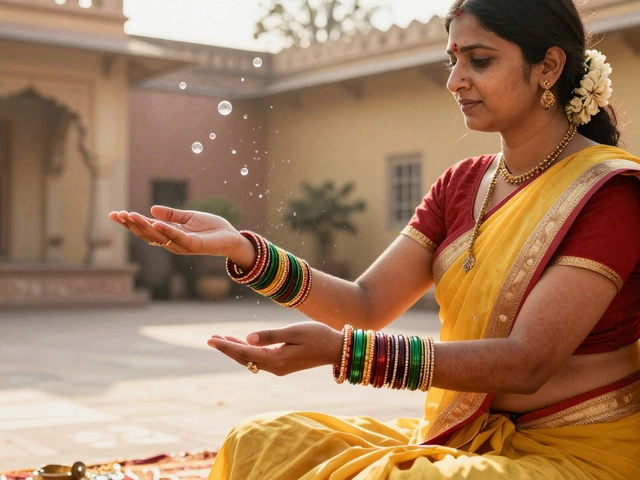
When you see a bindi, a small decorative dot worn on the forehead, often in red or black, with deep roots in South Asian spiritual and cultural traditions. Also known as tikka, it’s more than just makeup—it’s a symbol tied to identity, faith, and now, personal style. For decades, people assumed only married women wore it. But that’s not true anymore. Today, unmarried women wear bindis every day—to school, to work, to parties—without anyone questioning it. The old rules are fading, and the new ones are simple: if it feels right, wear it.
The bindi originally came from the Hindu concept of the third eye, representing inner wisdom and spiritual awareness. But over time, it became linked to marriage in some regions, especially in North India, where red bindis were worn by brides and married women. Meanwhile, in the South, unmarried girls wore bindis as part of daily adornment, often in black or colorful designs. This regional difference matters. There’s no single rule for India—it’s a country of 28 states, each with its own traditions. In Tamil Nadu, a young girl might wear a bindi with her school uniform. In West Bengal, she might wear one during Durga Puja. Neither is breaking a rule—they’re following their own culture.
Today, the bindi is less about marital status and more about choice. Young women choose bindis to match their outfits, express their mood, or simply because they like how they look. You’ll see them in glitter, metal, stickers, even shaped like stars or flowers. Brands now sell bindis in packs of 50, designed for teens and twenty-somethings who don’t care about old customs. The bindi etiquette that once said "only married women"? It’s outdated. What’s left is personal meaning. Some wear it for faith. Others wear it for fashion. Some wear it because their grandma did, and they want to keep that connection alive.
There’s no checklist for who can wear a bindi. No priest, no family elder, no social media influencer gets to decide. The only rule that still holds is this: respect the intent behind it. Don’t wear a bindi as a costume at a Halloween party. Don’t mock it. But wear it with pride, with curiosity, with joy. That’s what matters now.
Below, you’ll find real stories, cultural insights, and modern takes on how women across India wear their bindis today. Whether you’re wondering if you can wear one, what color suits you best, or why your aunt still insists on red—there’s an answer here. No judgment. Just clarity.

Can an unmarried girl wear a bindi? Traditional rules and modern realities
Can an unmarried girl wear a bindi? Yes-and she has for centuries. This article explores the real history, modern practices, and cultural myths around the bindi in India today.