Tirumala Temple Wealth Estimator
Calculate Your Total Contribution
Enter your planned activities at the Tirumala Venkateswara Temple to see how your visit contributes to the temple's massive economy.
Your Estimated Contribution
Breakdown:
- Darshan Tickets: ₹0
- Gold/Silver: ₹0
- Laddus: ₹0
- Cash Donation: ₹0
Impact Context:
Your contribution helps fund free meals, healthcare, and infrastructure maintenance for millions.
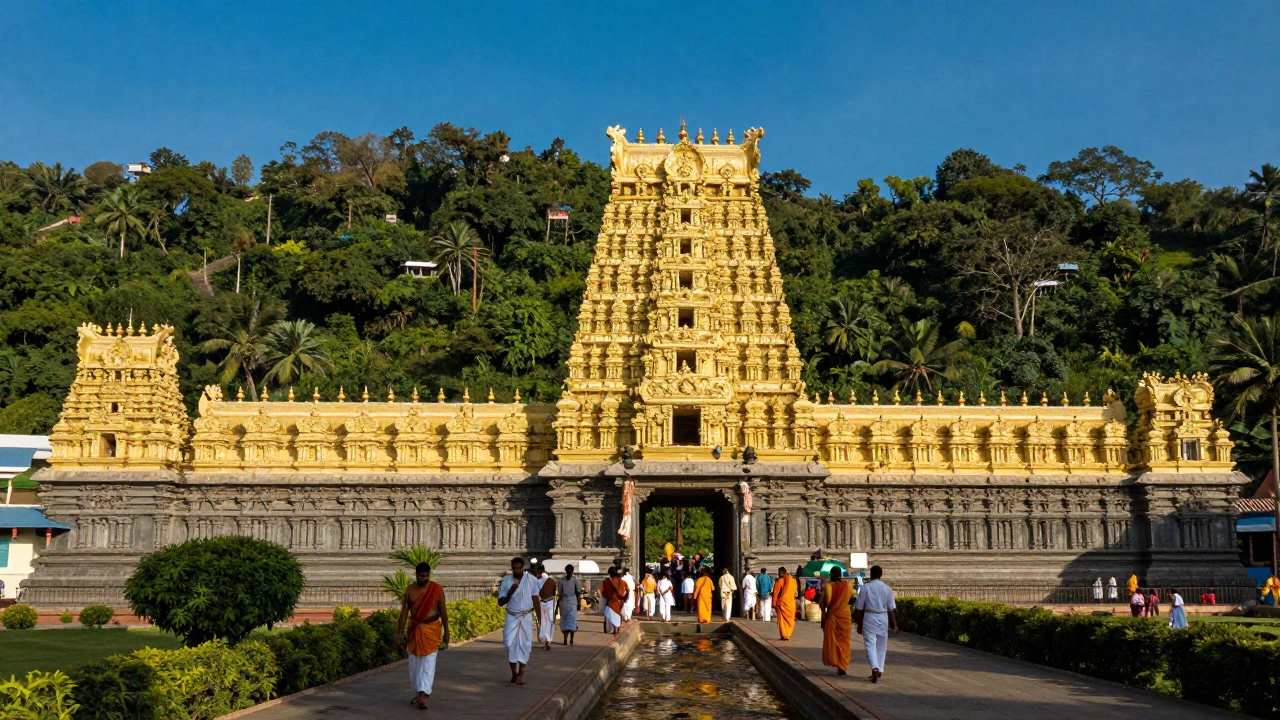
When people ask about the wealthiest place of worship on the planet, the answer almost always points to one specific location in South India. The Tirumala Venkateswara Temple, located in the hill town of Tirupati, is widely recognized as the richest temple in India. It holds a staggering amount of gold, silver, precious stones, and cash reserves that far exceed most national treasuries. But this isn't just about hoarding wealth; it’s about understanding how faith, finance, and tradition intersect in a way that has sustained this institution for centuries.
You might wonder how a religious site accumulates such immense wealth. Is it from ancient kings? Yes, but mostly from millions of devotees who visit every year. The sheer volume of offerings-gold coins, jewelry, and cash-creates a financial ecosystem unlike any other. For those interested in temple jewellery india, this temple offers a unique window into the craftsmanship, history, and spiritual value embedded in these artifacts. Let's break down exactly what makes this temple so rich and where that money goes.
The Scale of Wealth: Gold, Cash, and Land
To grasp the magnitude of the temple's assets, you have to look at the numbers reported by the Sri Paduka Venkateswara Variyapadina Devaru Swamiji Trust (SPVVDST), commonly known as the TTD. As of recent audits, the temple's liquid cash balance alone often exceeds ₹10,000 crore (roughly $1.2 billion USD). This figure fluctuates based on donation cycles, especially during peak festival seasons like Brahmotsavam.
But cash is only part of the story. The temple sits on vast tracts of land, much of which is developed into hotels, guest houses, and administrative complexes. These properties generate significant rental income, adding to the daily inflow. Then there is the physical treasure:
- Gold: Estimates suggest the temple possesses over 350 kilograms of pure gold used in idol adornment and ceremonial vessels.
- Silver: Thousands of kilograms of silver are used for plates, lamps, and decorative items.
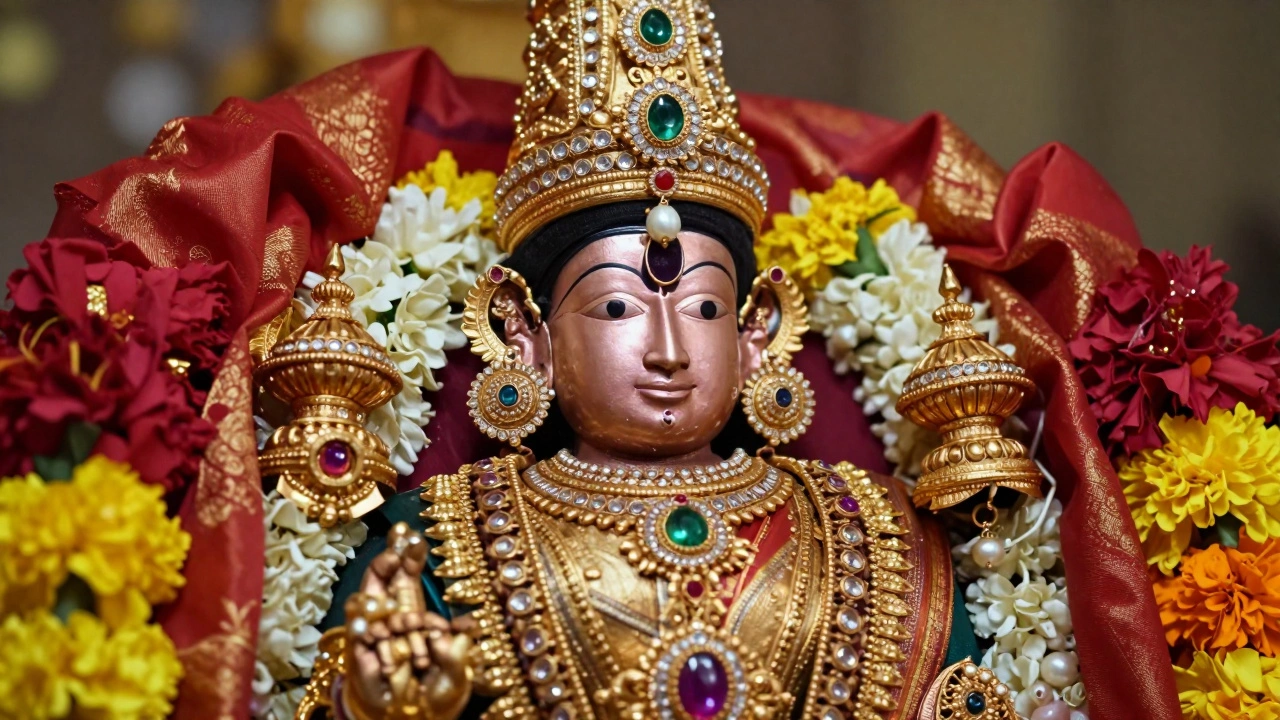
- Precious Stones: The crown jewels of Lord Venkateswara include diamonds, emeralds, rubies, and pearls gifted by rulers and wealthy devotees over centuries.
This wealth isn't locked away in a vault untouched. It circulates through the temple's operations, funding massive charitable activities, infrastructure projects, and maintenance costs. The scale is so large that the TTD operates more like a multinational corporation than a traditional religious body.
Where Does the Money Come From?
The primary source of the temple's wealth is voluntary offerings, or 'donations'. Devotees believe that offering their wealth to Lord Venkateswara brings blessings and removes obstacles. This belief drives a constant stream of contributions from across India and the diaspora.
Historically, kings played a huge role. During the Vijayanagara Empire (14th-17th century), rulers invested heavily in the temple's construction and endowment. They gifted land, gold, and gems, laying the foundation for its current status. Today, however, the average devotee contributes significantly more than royal patrons ever did.
A major contributor is the practice of 'Kalyanam' or holy marriage ceremonies. Thousands of weddings are performed annually within the temple premises. Each ceremony involves elaborate rituals, decorations, and offerings, generating substantial revenue. Additionally, pilgrims purchase laddus (sweet offerings), darshan tickets, and souvenirs, all of which feed into the temple's economy.
Temple Jewellery: More Than Just Decor
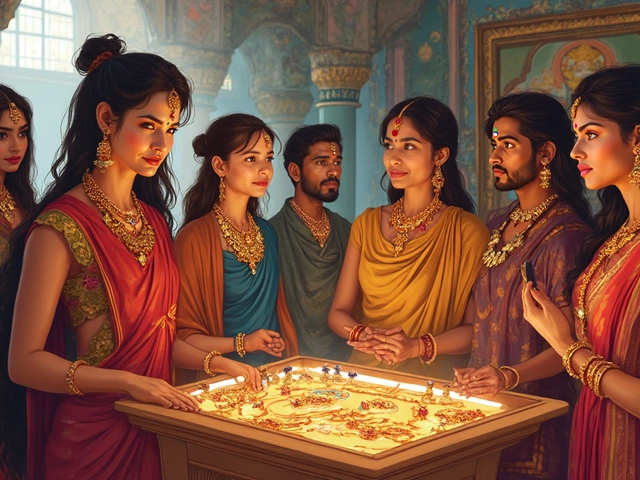
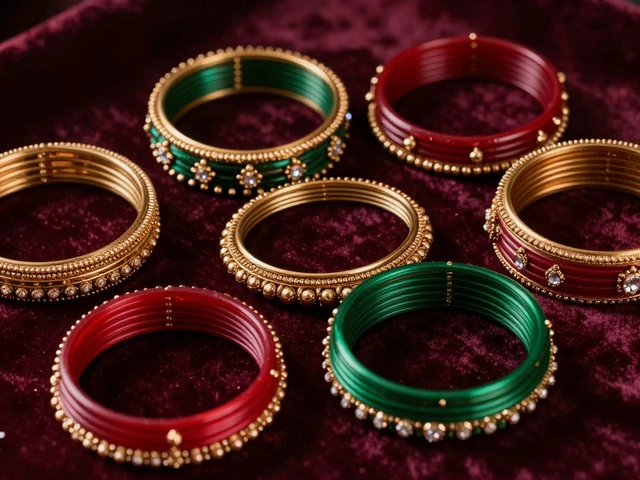
If you're fascinated by temple jewellery india, the Tirumala temple is a living museum. The jewelry worn by the deity isn't static; it changes daily according to rituals and festivals. Each piece tells a story of craftsmanship and devotion.
The 'Mokkapetta Thirukalyanam' (silver wedding) and 'Gajapetta Thirukalyanam' (golden wedding) involve adorning the idol with thousands of pieces of jewelry. These aren't mass-produced items. Many are heirlooms passed down through generations of priests or gifted by prominent families. The designs reflect traditional South Indian aesthetics, featuring intricate filigree work, heavy gold chains, and gemstone-studded crowns.
For artisans and designers, studying these pieces provides insight into historical techniques. The use of uncut diamonds, natural pearls, and colored gemstones follows strict Vastu and ritual guidelines. This blend of artistry and spirituality makes temple jewelry a distinct category in Indian culture, separate from modern fashion trends.
| Asset Type | Description | Estimated Value/Impact |
|---|---|---|
| Liquid Cash | Daily donations and offerings | Often exceeds ₹10,000 crore |
| Gold & Silver | Idol adornments, ceremonial vessels | Hundreds of kilograms; priceless heritage |
| Real Estate | Hotels, guest houses, land holdings | Significant rental income generation |
| Jewelry Collection | Crowns, necklaces, earrings for deities | Unique cultural artifacts with high intrinsic value |
How the Wealth is Spent: Charity and Infrastructure
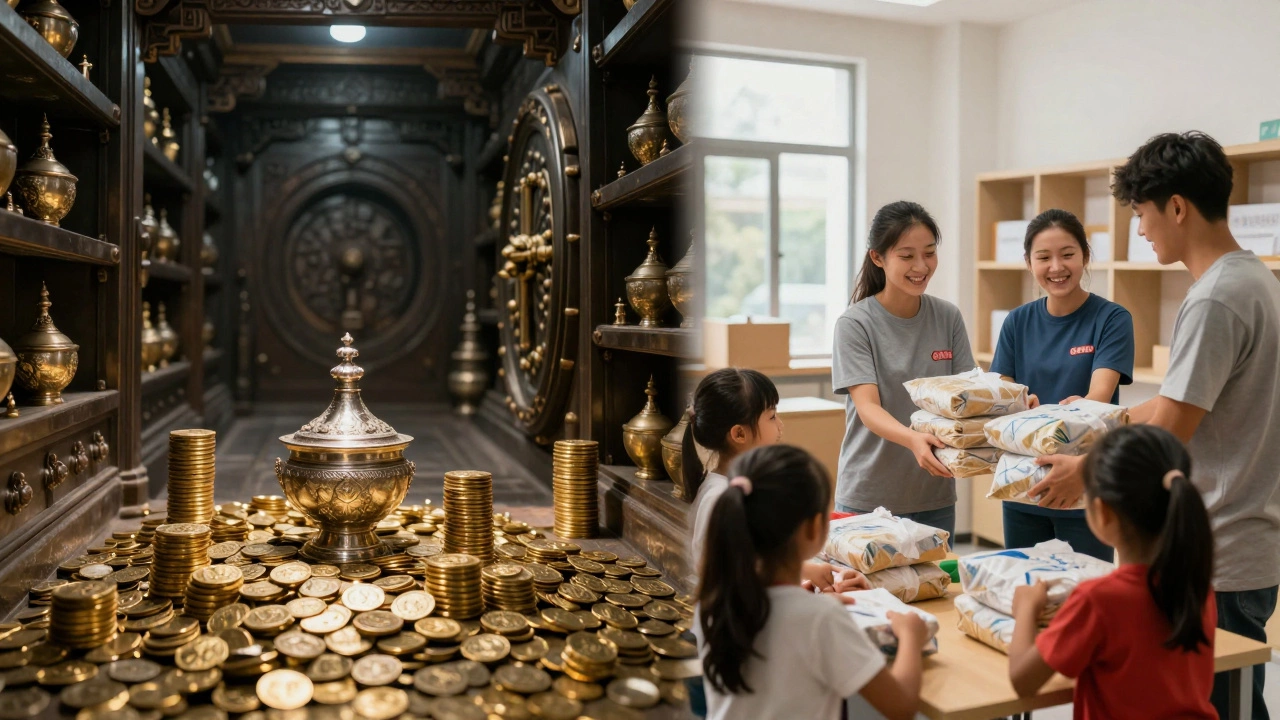
A common misconception is that the temple hoards its wealth. In reality, the TTD spends billions annually on social welfare. The trust runs free hospitals, orphanages, schools, and colleges. It provides mid-day meals to millions of school children across Andhra Pradesh and Telangana.
Infrastructure development is another major expense. The temple complex undergoes constant renovation to handle millions of visitors safely. Roads, bridges, and accommodation facilities are built and maintained using temple funds. Even the famous Tirupati Laddu production unit is a massive operation requiring significant investment in hygiene, packaging, and distribution.
During emergencies, such as floods or pandemics, the TTD often steps in to provide relief funds. This demonstrates that the wealth serves a functional purpose beyond religious symbolism. It acts as a community resource, stabilizing local economies and supporting vulnerable populations.
Controversies and Transparency
With great wealth comes scrutiny. Over the years, the TTD has faced allegations of mismanagement and corruption. High-profile cases involving former trustees have led to public debates about accountability. In response, the government has implemented stricter auditing procedures and digital tracking of donations.
Transparency remains a challenge. While annual reports are published, detailed breakdowns of expenditure can be hard for the average citizen to access. Critics argue that more openness would build trust among donors. Supporters counter that the sheer volume of transactions makes perfect transparency difficult to achieve.
Despite these issues, the temple continues to attract millions of devotees. Faith, for many, outweighs bureaucratic concerns. However, ongoing reforms aim to modernize operations while preserving traditional values.
Other Notable Rich Temples in India
While Tirumala tops the list, other temples also hold significant wealth. Understanding their contexts helps highlight why Tirumala stands out.
- Kedarnath Temple: Located in the Himalayas, it receives substantial donations but faces logistical challenges due to its remote location. Its wealth is less visible compared to Tirumala.
- Vaishno Devi Shrine: One of the most visited pilgrimage sites, it generates huge revenue from ticket sales and offerings. However, its management structure differs from TTD.
- Shirdi Sai Baba Temple: Known for its simplicity, it doesn't accumulate wealth in the same way. Donations are largely spent on charitable activities immediately.
These comparisons show that while many temples are financially robust, Tirumala's combination of historical endowments, continuous donor support, and diversified income streams makes it uniquely wealthy.
The Future of Temple Wealth Management
As India digitizes, the TTD is adapting. Online booking systems, virtual darshan options, and digital payment platforms are changing how devotees interact with the temple. This shift not only improves convenience but also enhances financial tracking.
Future challenges include maintaining security against theft, ensuring ethical use of funds, and balancing commercialization with spiritual integrity. The goal is to preserve the temple's legacy while meeting modern expectations of governance.
For anyone interested in temple jewellery india or cultural heritage, watching this evolution offers valuable insights. It’s not just about money; it’s about how tradition adapts to contemporary realities without losing its soul.
Is Tirumala Temple really the richest in the world?
Yes, based on liquid cash reserves and asset holdings, the Tirumala Venkateswara Temple is considered the richest temple globally. Its annual income and accumulated wealth surpass those of other major religious institutions worldwide.
Where does the money go after being donated?
Donations fund temple maintenance, staff salaries, charitable activities like free hospitals and schools, infrastructure development, and disaster relief efforts. A significant portion also supports the production and distribution of Tirupati Laddus.
Can tourists see the temple jewelry?
Devotees can view the adorned deity during darshan times. Special exhibitions occasionally showcase some jewelry pieces, but most remain reserved for ritual use due to their spiritual significance and value.
Are there controversies surrounding the temple's finances?
Yes, past administrations have faced allegations of corruption and mismanagement. Recent reforms aim to improve transparency through digital tracking and stricter audits, though debates continue about accountability.
What is the significance of temple jewelry in Indian culture?
Temple jewelry represents centuries of artistic heritage and spiritual devotion. It reflects regional styles, historical patronage, and symbolic meanings tied to deities. Collecting or admiring such pieces connects individuals to deep cultural roots.