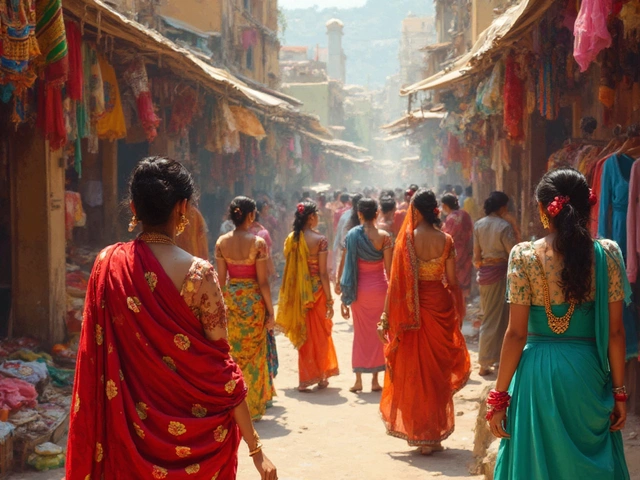
Category: Traditional Bangles - Page 2
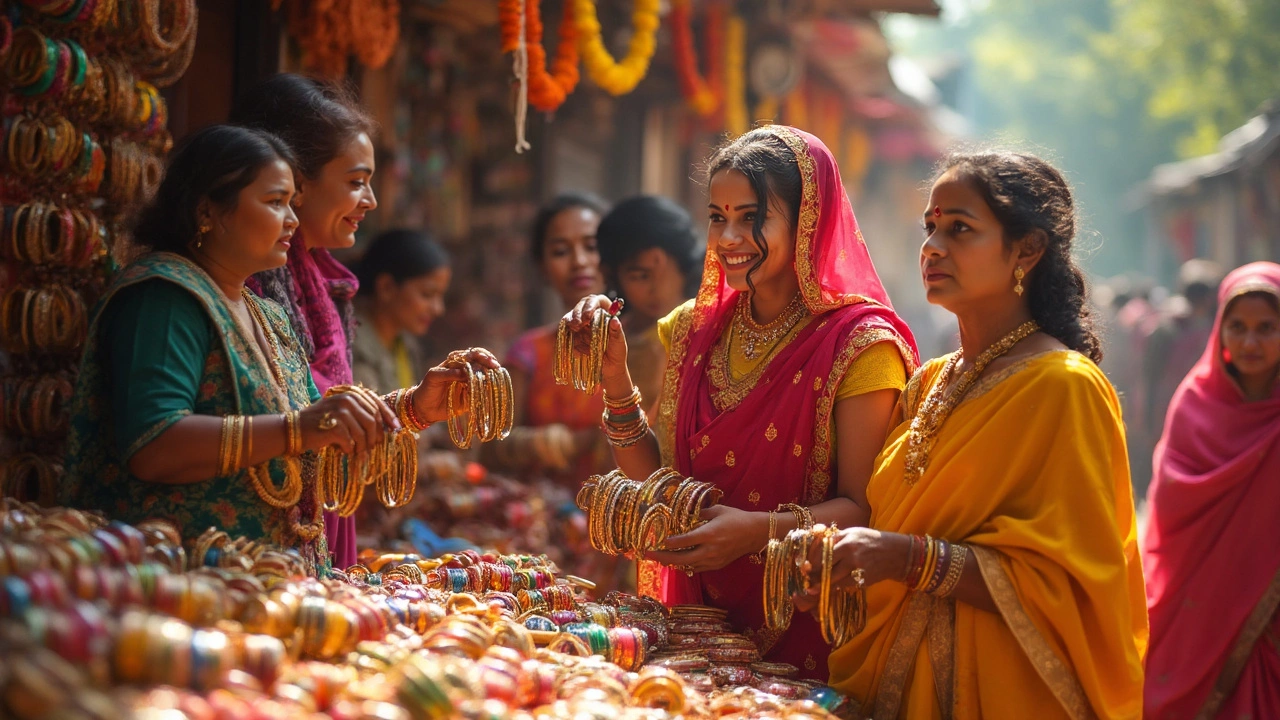
Traditional Bangles India: Why Do Indians Love Bangles?
This article gets straight to the point about why bangles are so loved in India. We break down their cultural importance, the variety of styles from different regions, and the personal significance they hold for people. You’ll find practical tips about wearing and caring for bangles, plus quirky facts about their role at weddings and other celebrations. If you’ve ever wondered why bangles matter so much in India, you’ll get all the answers here.
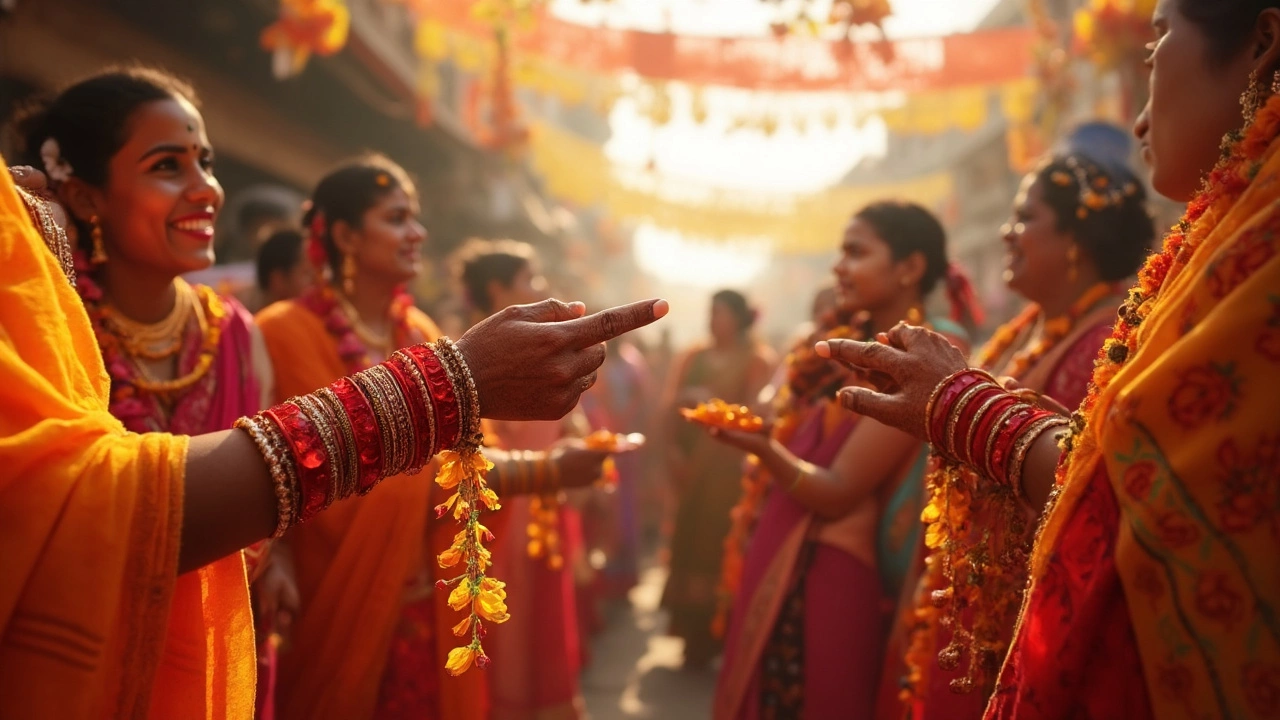
Red Bangles in India: Why Do Indian Girls Wear Them?
Red bangles aren’t just fashion accessories for Indian girls—they carry deep meaning, especially during weddings and major festivals. Wearing red bangles is tied to ideas of luck, prosperity, and a happy married life. There’s history, superstition, and a bit of science behind this colorful tradition. This article unpacks why these bangles are so important and offers practical tips for choosing and carrying them. Get the real reasons behind the red and how you can rock this classic look.
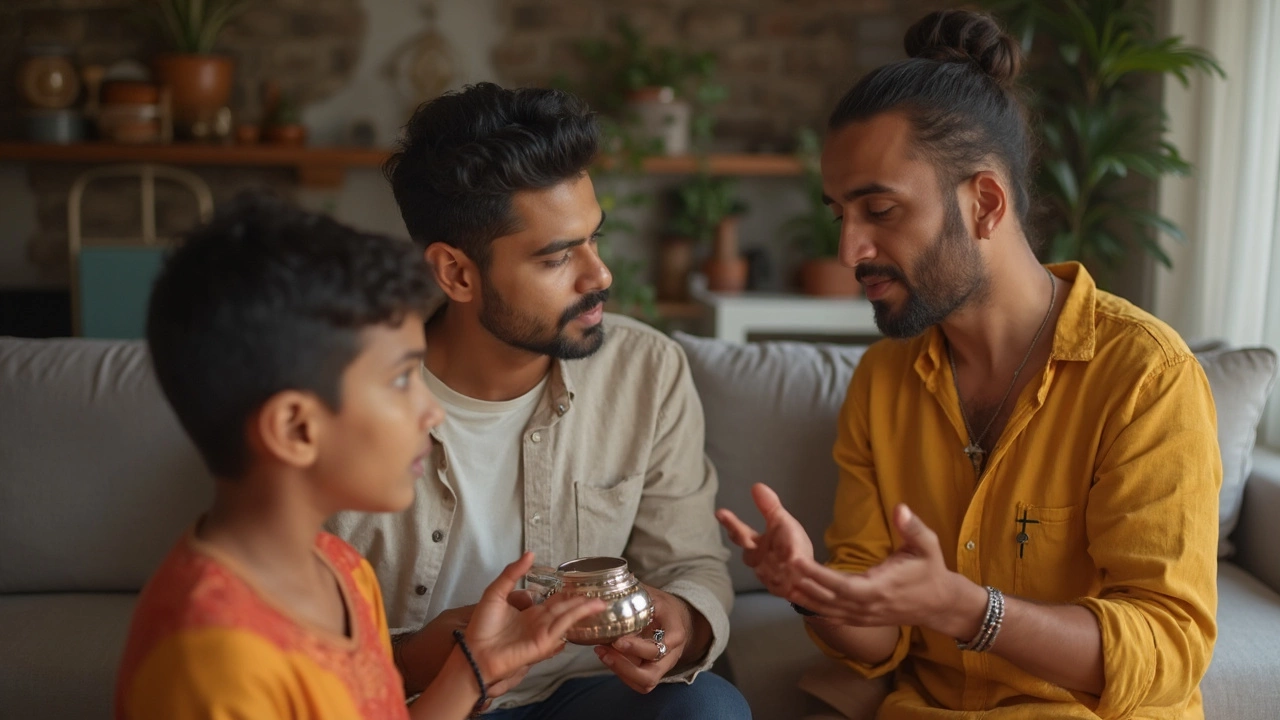
Can Christians Wear Kada? Breaking Down Faith, Culture, and Traditions
Wondering if Christians can wear a kada? This article gets straight to the point, exploring whether it's okay for Christians to wear this traditional Indian bracelet. We look at what a kada means, what different Christian communities think, and how people balance faith with cultural practices. You’ll also get practical tips for making thoughtful decisions about wearing religious or cultural jewelry. If you’ve ever been confused about mixing belief and tradition, here’s what you need to know.
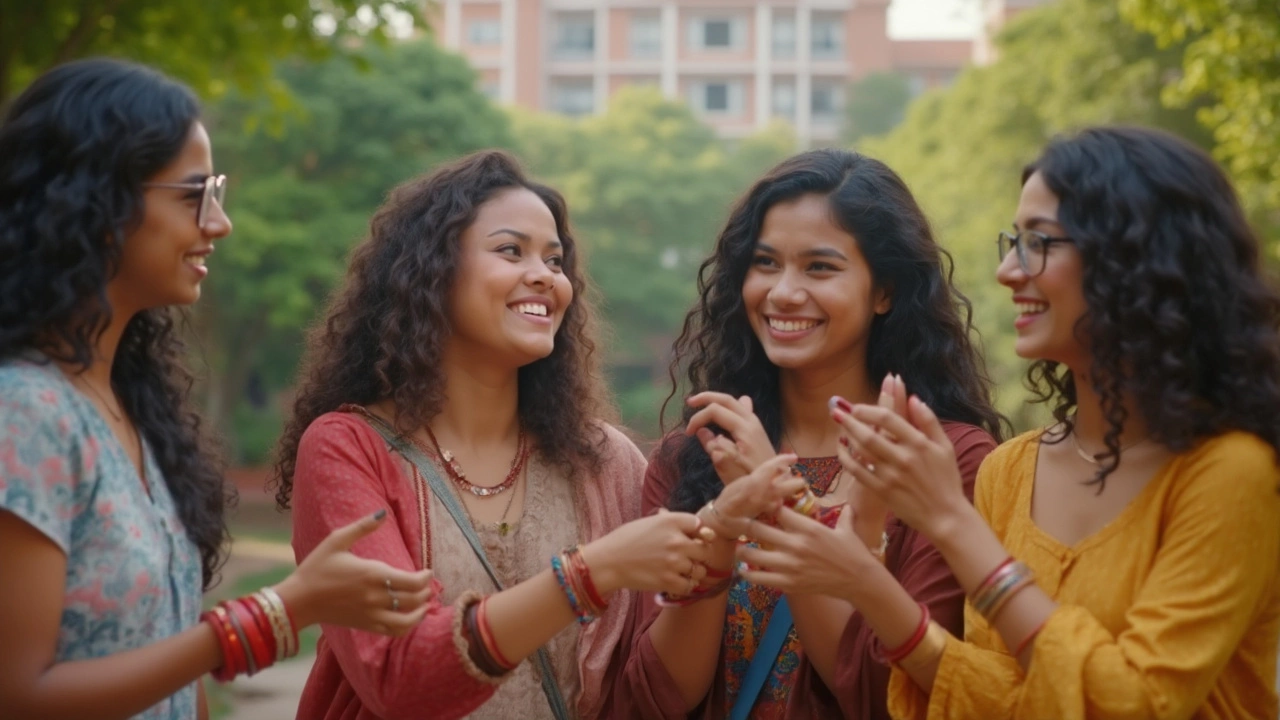
Can an Unmarried Girl Wear Red Bangles? Breaking Bangles Myths
Wondering if it’s okay for unmarried girls to wear red bangles in India? This article digs into beliefs, traditions, and the real social rules around bangle colors. Get practical tips on choosing bangles without feeling under pressure. We’ll bust some myths and share how things are changing for young women today. Real talk—no fluff or outdated advice.
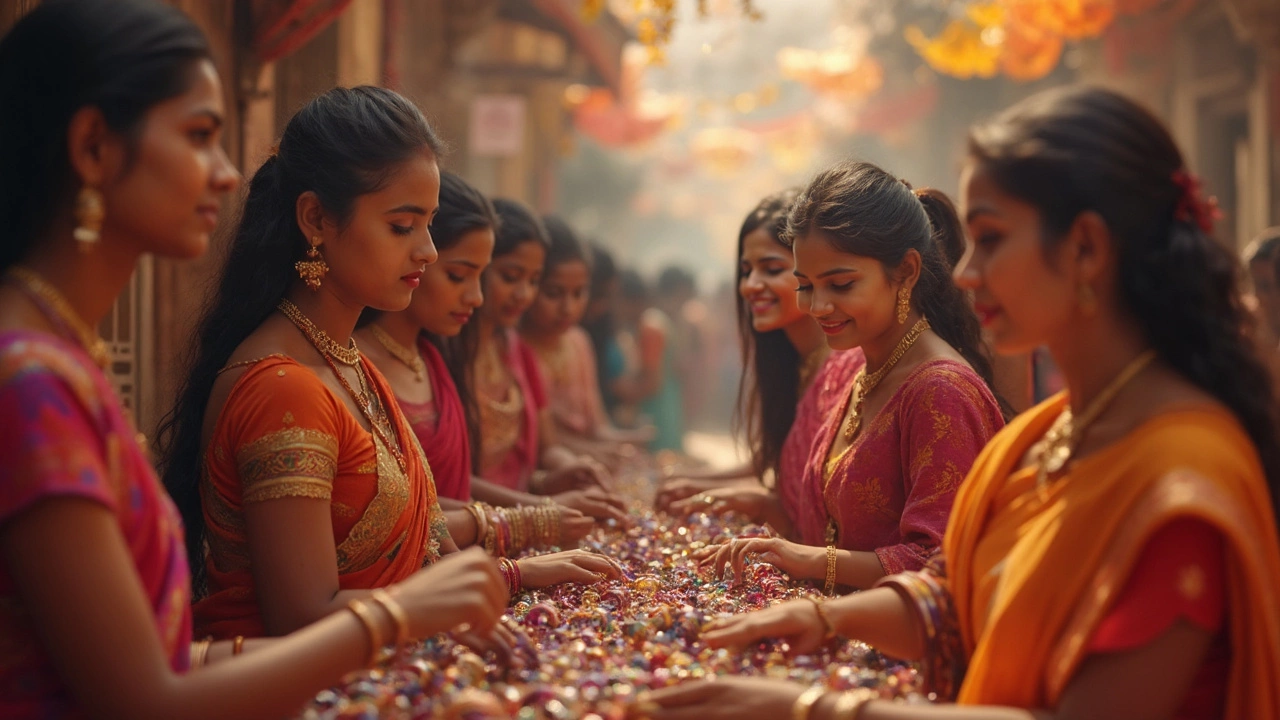
Purple and Grey Bangles: What Do These Colours Really Mean?
Purple and grey bangles aren’t just pretty accessories—they carry special meaning in Indian tradition. This article breaks down what these colours symbolize and how people use them in daily life and celebrations. You'll find unique insights on how these shades fit into rituals, fashion, and even personal expression. Plus, there are pro tips on matching and gifting bangles for any occasion. Get the details to make your bangle choices smarter and more meaningful.
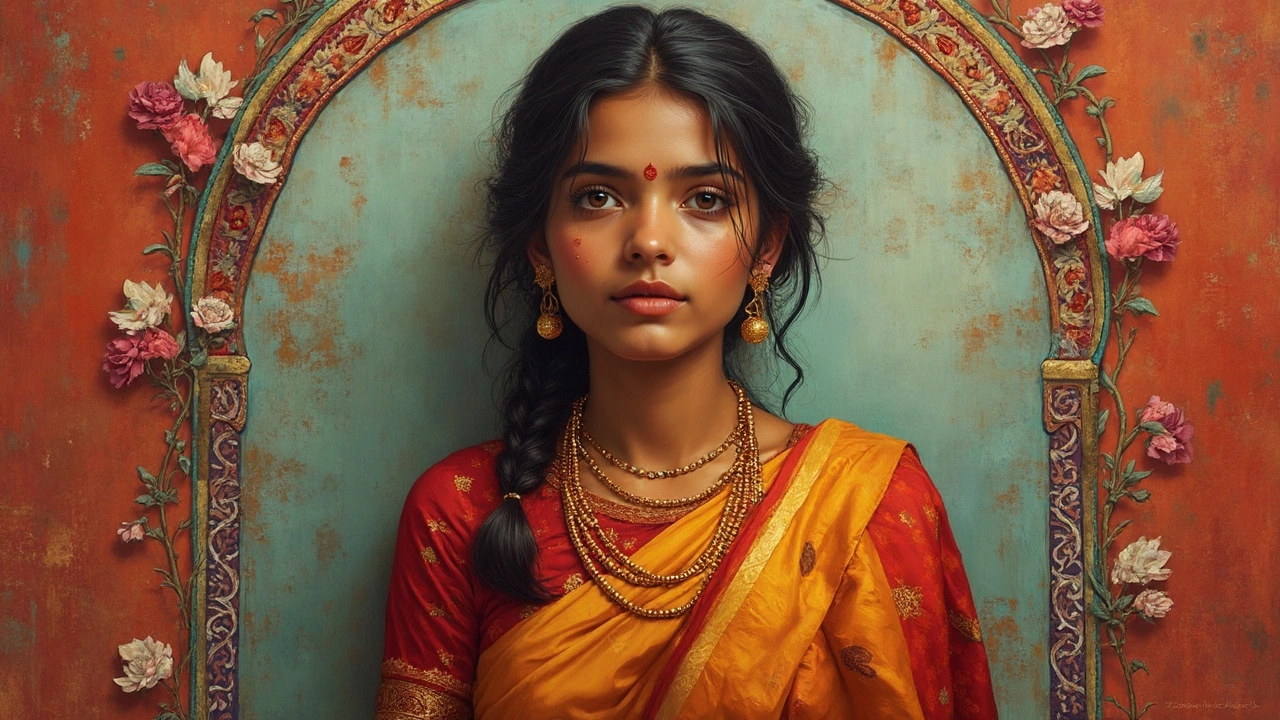
Why Do Indians Have a Red Dot? Exploring the Tradition of Bangles
Ever wondered why some Indians wear a red dot on their forehead? This distinctive mark, known as a bindi, holds deep cultural and historical significance. While mostly worn by women, it's more than just a decorative item; it signifies marital status and spiritual focus. Curious about the connection between this and the traditional Indian bangles? Delve into how these cultural symbols are intertwined in Indian tradition.

Can an Unmarried Girl Wear Sindoor?
Exploring whether an unmarried girl can wear sindoor, this article delves into the cultural and traditional implications. We'll uncover how practices vary across India, highlighting the evolving mindset around this age-old custom. As we navigate through the complexities of tradition and modernity, expect practical insights and surprising facts. The article aims to provide clarity while respecting diverse perspectives on this unique aspect of Indian culture.

What Does the Red Bangle Mean in India?
The red bangle in India is more than just an accessory. It's a symbol of love, tradition, and cultural heritage, often associated with marriage and special occasions. Worn widely by married women, these vibrant bangles serve as a meaningful representation of their marital status and happiness. Each region may have its unique take on styles and materials, offering a colorful glimpse into India's diverse cultural mosaic.
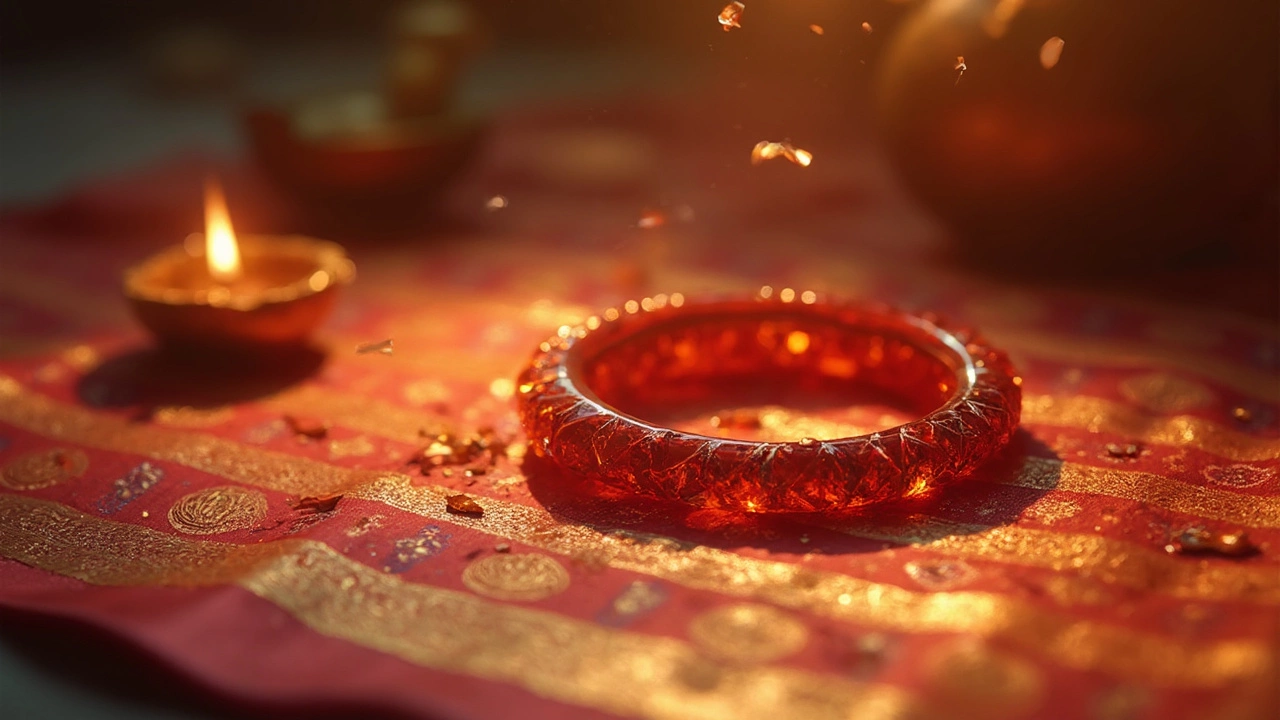
A Broken Bangle: Navigating Its Cultural Significance in Hinduism
In Hinduism, bangles aren't just ornamental—they're deeply tied to tradition and cultural beliefs. When a bangle breaks accidentally, it carries a mix of cultural, emotional, and sometimes superstitious significance. This article explores what a broken bangle might symbolize, the beliefs growing around it, and how different families react to such occurrences. Uncover practical tips for dealing with broken bangles, especially within a religious context, blending respect for tradition with modern perspectives.
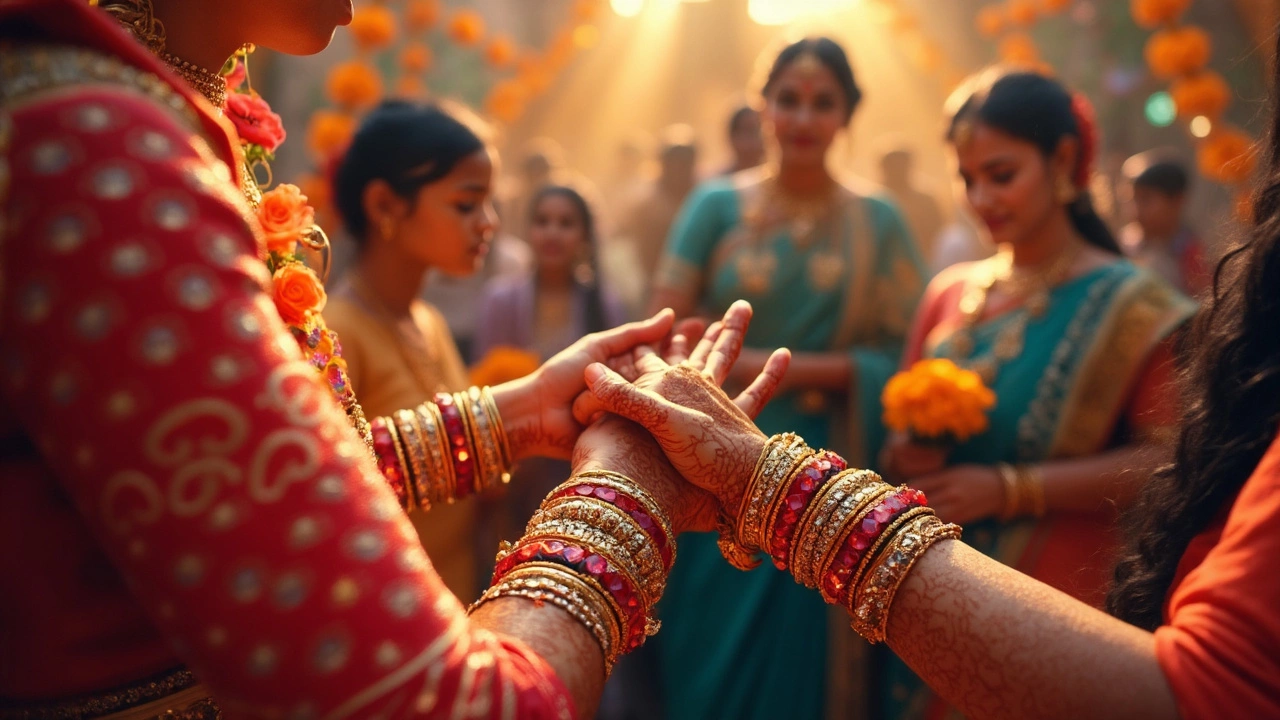
The Significance of Wearing Bangles in India
Bangles are deeply embedded in Indian culture, often symbolizing tradition, beauty, and identity. From their historical origins to cultural implications, bangles hold a special place in Indian ceremonies and everyday life. They’re not just accessories but are tied to customs and beliefs, like symbolizing marital status. This article explores the nuances of bangle-wearing across different regions and occasions in India.
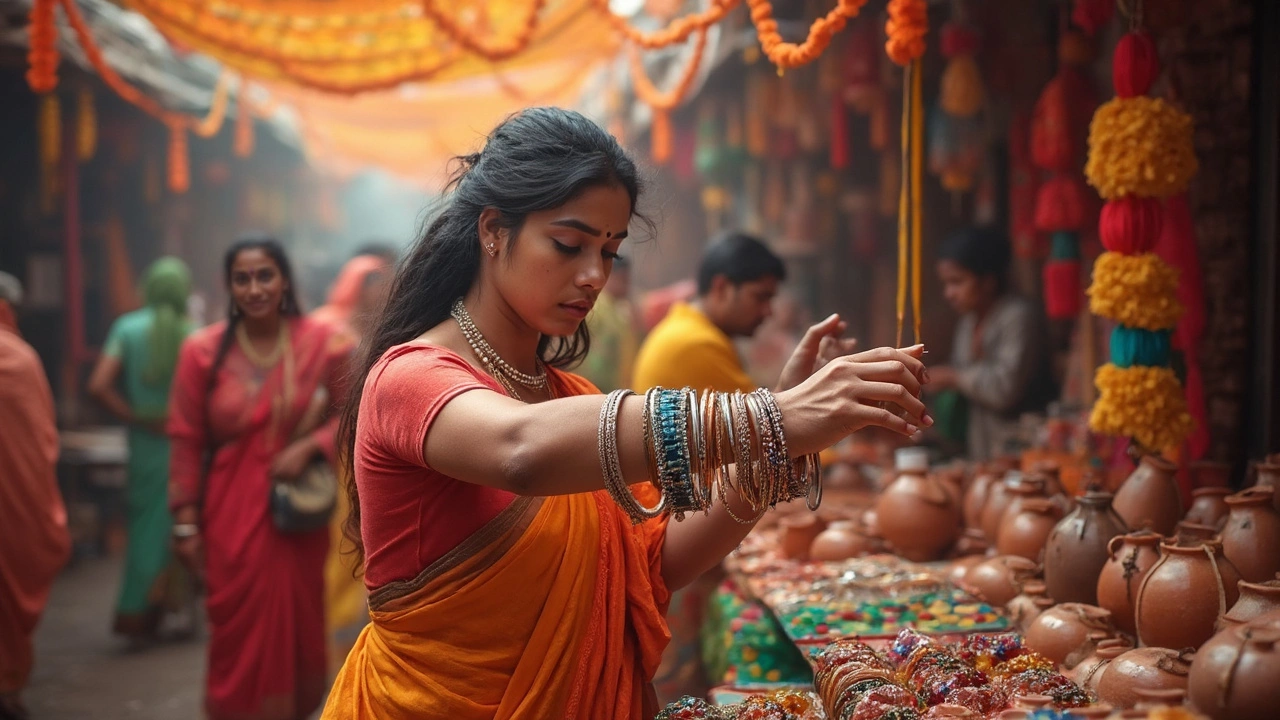
The Best Hand for Wearing Traditional Indian Bangles
Choosing the right hand for wearing bangles can vary based on tradition, personal style, and cultural significance. In India, bangles symbolize wealth, health, and marital status, often worn on specific occasions. This article delves into the cultural practices, superstitions, and personal preferences that influence which hand to wear bangles. Discover practical tips to enhance your bangle-wearing experience and explore some fascinating facts about these beautiful adornments.
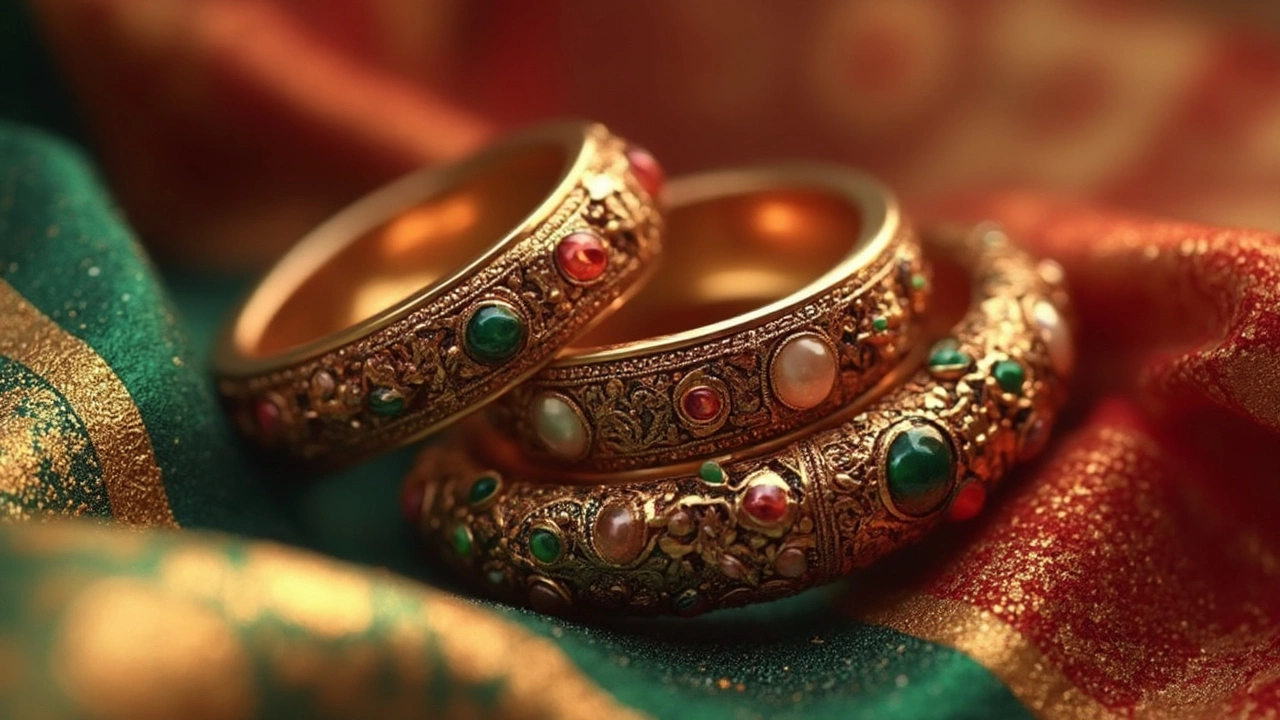
Discovering the Tradition of Bangles in India
In India, bangles are more than just jewelry; they're a vibrant part of cultural identity and tradition. These accessories have deep roots in Indian customs, symbolizing various aspects of life like marriage and prosperity. Exploring their historical significance and modern relevance offers a glimpse into how they've remained an integral part of Indian attire. From the materials to the regional variations, understanding bangles opens a window into the diverse traditions of India.