Temple Jewelry – Tradition, Craft, and Modern Style
If you love Indian jewelry, temple jewelry is the first thing that comes to mind. It started as ornaments for gods and goddesses, then became a favorite for brides, dancers, and anyone who wants a touch of heritage. Today you can find it in gold, silver, and even with colorful gemstones, all while keeping the classic temple motifs.
What Makes Temple Jewelry Unique
Temple pieces are known for bold designs, heavy use of gold, and symbols like lotus, swans, and deities. The patterns are often inspired by temple carvings, so each necklace or bracelet feels like a mini sculpture. Because they were meant for worship, the craftsmanship is very detailed – you’ll see fine filigree work, raised motifs, and a lot of symmetry.
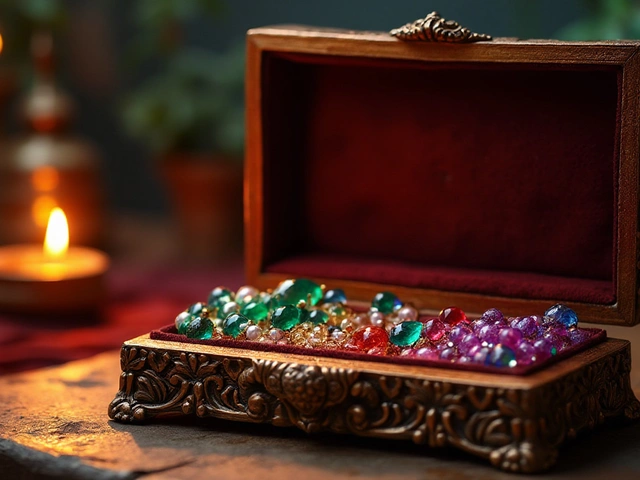
Another hallmark is the use of gemstones. Emeralds, turquoise, and Kashmir sapphires are common choices. These stones aren’t just for looks; they carry cultural meanings. Emeralds are linked to luck, turquoise to protection, and sapphires to royalty. When you wear a temple piece, you’re also wearing a story.
How to Choose Authentic Pieces
First, check the metal. Real gold temple jewelry is usually 22 karat, and you’ll find a hallmark stamped inside the piece. The hallmark may read “22K,” “916,” or show the Bureau of Indian Standards (BIS) logo. If the hallmark is missing or looks fuzzy, be cautious.
Next, look at the craftsmanship. Authentic pieces have crisp, clean edges and consistent weight. Hand‑crafted items often have a tiny irregularity that shows the artisan’s touch, while cheap imitations feel flat and lightweight.
When gemstones are involved, ask for a certificate or at least a simple test. Real emeralds have a slightly oily feel, and true turquoise shows a porous surface. If a seller can’t answer basic questions about the stones, it’s a red flag.
Finally, buy from a reputable store. Shops that have a physical address, clear return policies, and good reviews are safer bets. Even online, look for detailed product photos and transparent pricing.
Once you have your temple jewelry, care matters. Keep gold pieces away from harsh chemicals – avoid wearing them while cleaning or using strong perfumes. Store them in a soft pouch or a separate compartment to prevent scratches. For gemstone pieces, wipe them gently with a soft cloth after each use.
Wrapping up, temple jewelry blends art, religion, and fashion. Whether you pick a simple gold necklace or a sapphire‑set set, you’re adding a piece of Indian heritage to your wardrobe. Treat it well, shop smart, and enjoy the timeless sparkle it brings to everyday life.

What Is the Famous Jewellery of Sikkim? Traditional Temple Jewellery Explained
The famous jewellery of Sikkim includes sacred pieces like the Doko, Kardo, and Ghyu, made of gold, silver, turquoise, and coral. Worn for spiritual protection and cultural identity, these heirloom ornaments are passed down through generations and are deeply tied to Buddhist traditions in the Himalayas.
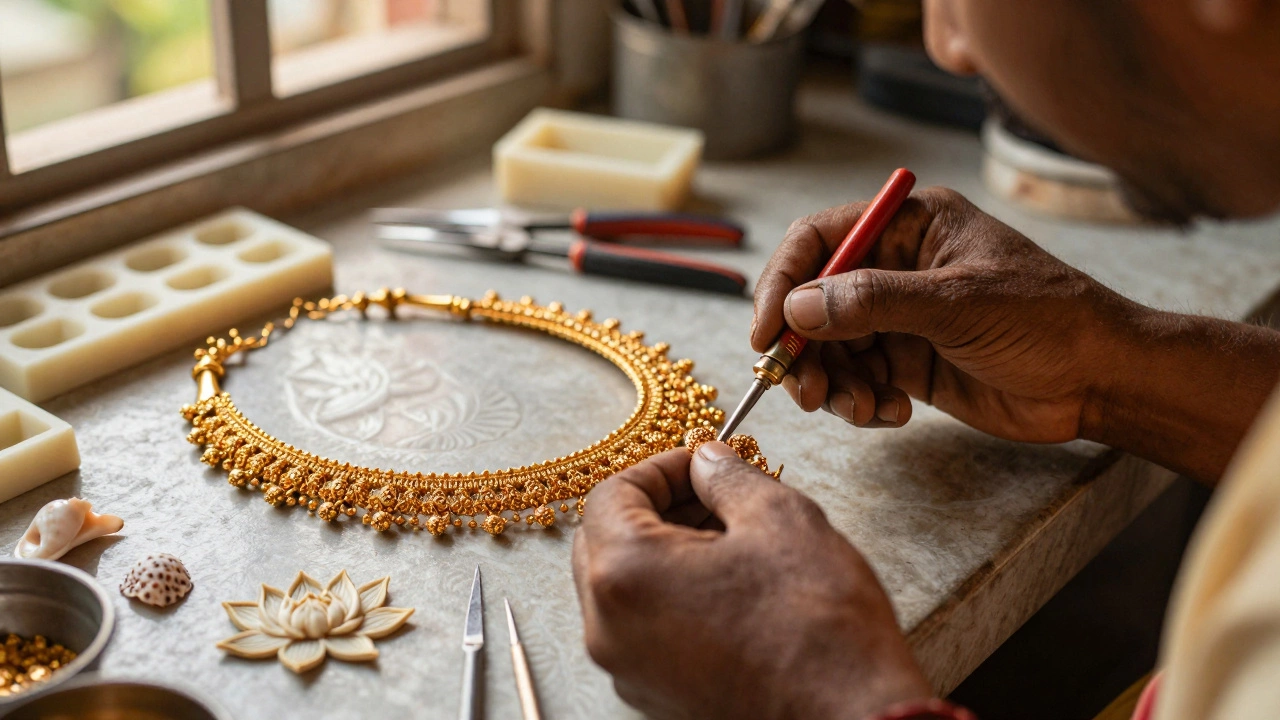
What Type of Jewelry Is India Known For? The Truth Behind Temple Jewelry
India is best known for temple jewelry - intricate, sacred gold pieces crafted for deities and worn during rituals. Born in South Indian temples, this art form blends spirituality, history, and unmatched craftsmanship that still thrives today.
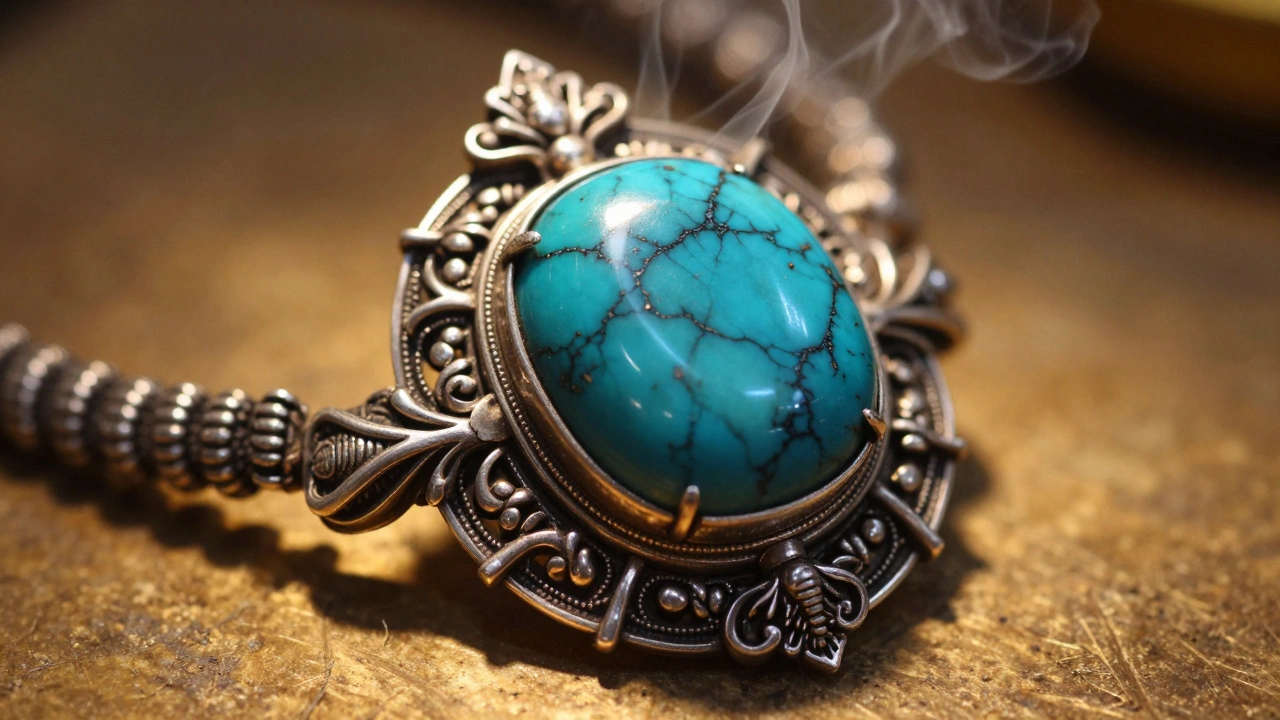
Why Is Turquoise So Expensive in Indian Temple Jewelry?
Turquoise in Indian temple jewelry is expensive because of its sacred significance, dwindling supply from Iran, handcrafted artistry, and the irreplaceable value of natural stone with authentic matrix. Real turquoise carries spiritual weight that no synthetic can match.

What Is the Indian Forehead Jewelry Called? The Truth About Temple Jewellery
The Indian forehead jewelry is called a maang tikka-a traditional ornament worn by women during weddings and ceremonies. Rooted in temple jewelry traditions, it’s more than decoration-it carries cultural and spiritual meaning.
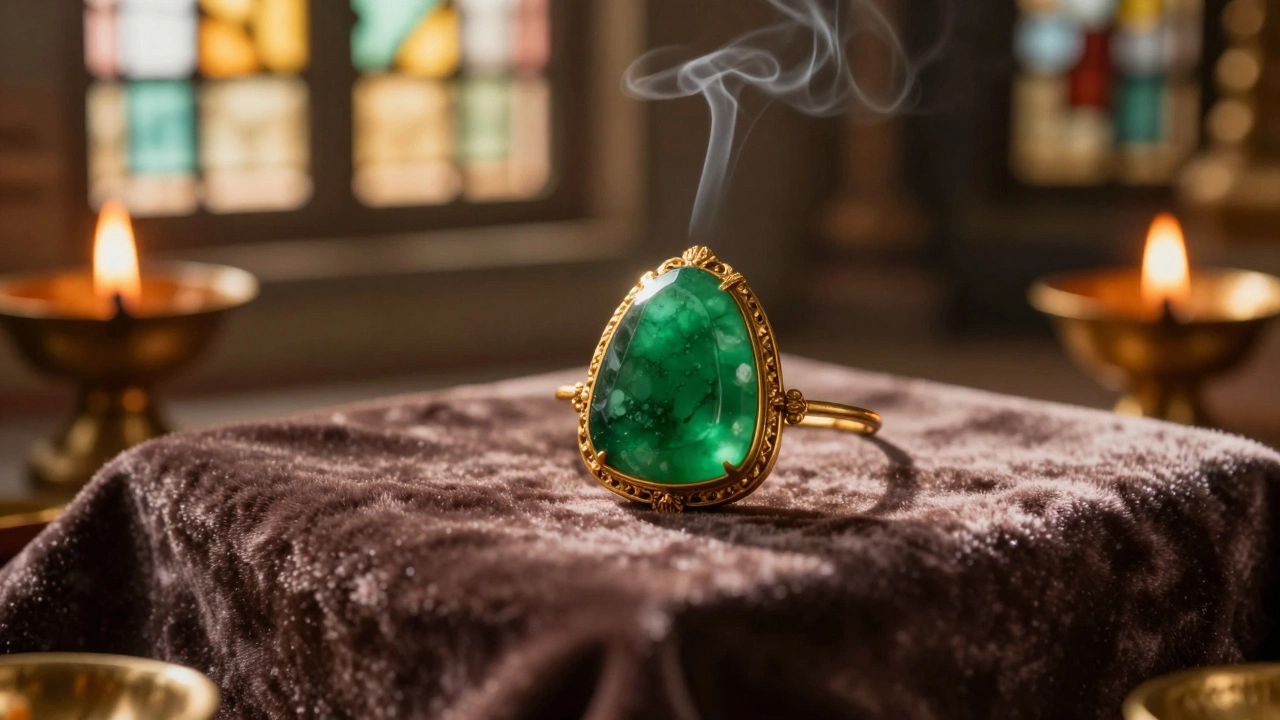
Why Can't You Wear Emeralds Every Day? The Truth Behind Temple Jewelry in India
Emeralds in Indian temple jewelry are stunning but fragile. Learn why they shouldn't be worn daily-due to their brittleness, sensitivity to sweat and chemicals, and sacred cultural purpose. Protect your heirlooms with proper care.
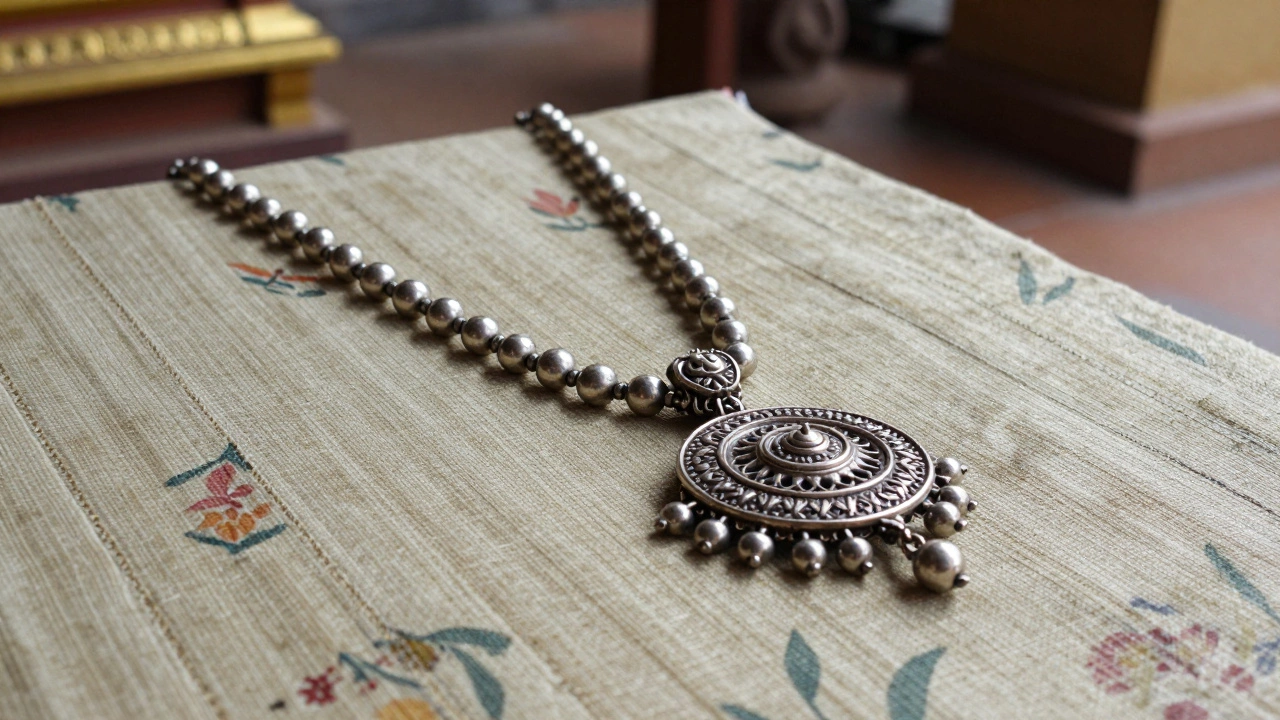
What Fabric Is Kantha? The Hidden Story Behind Temple Jewelry's Base Material
Kantha fabric is the traditional hand-stitched cotton base used in South Indian temple jewelry, offering comfort, durability, and cultural depth. Made from recycled saris, it holds delicate silver work and has been worn in temples for centuries.

What Is the Black Gold of Kerala? The Truth Behind Temple Jewelry
The black gold of Kerala refers to traditional temple jewelry made with gold and blackened silver, used in Bharatanatyam dance and temple rituals. It's handcrafted by artisans using ancient techniques and holds deep cultural value.
What is Chettinad Gold? The History, Design, and Craft of Traditional Temple Jewelry from Tamil Nadu
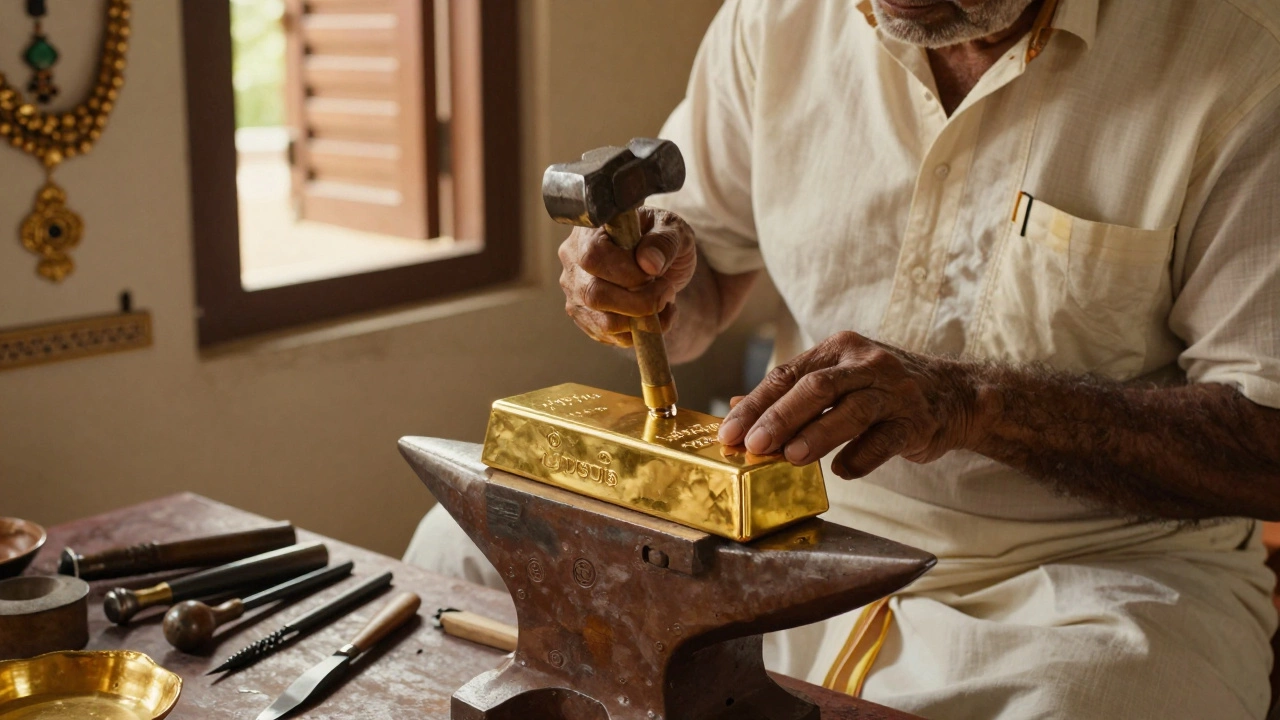
Chettinad gold is a centuries-old form of temple jewelry from Tamil Nadu, known for its heavy 22-karat gold, hand-carved temple motifs, and matte finish. Made by skilled artisans, it’s worn during rituals and passed down through generations.

What is the gold trend in jewelry in India in 2024? Temple Jewelry Leads the Revival
In 2024, temple jewelry is leading India's gold trend, blending ancient craftsmanship with modern style. More young women are choosing hand-hammered gold pieces with kempu stones for everyday wear, reviving a centuries-old art form.
Where Do Indians Get Their Temple Jewelry From?
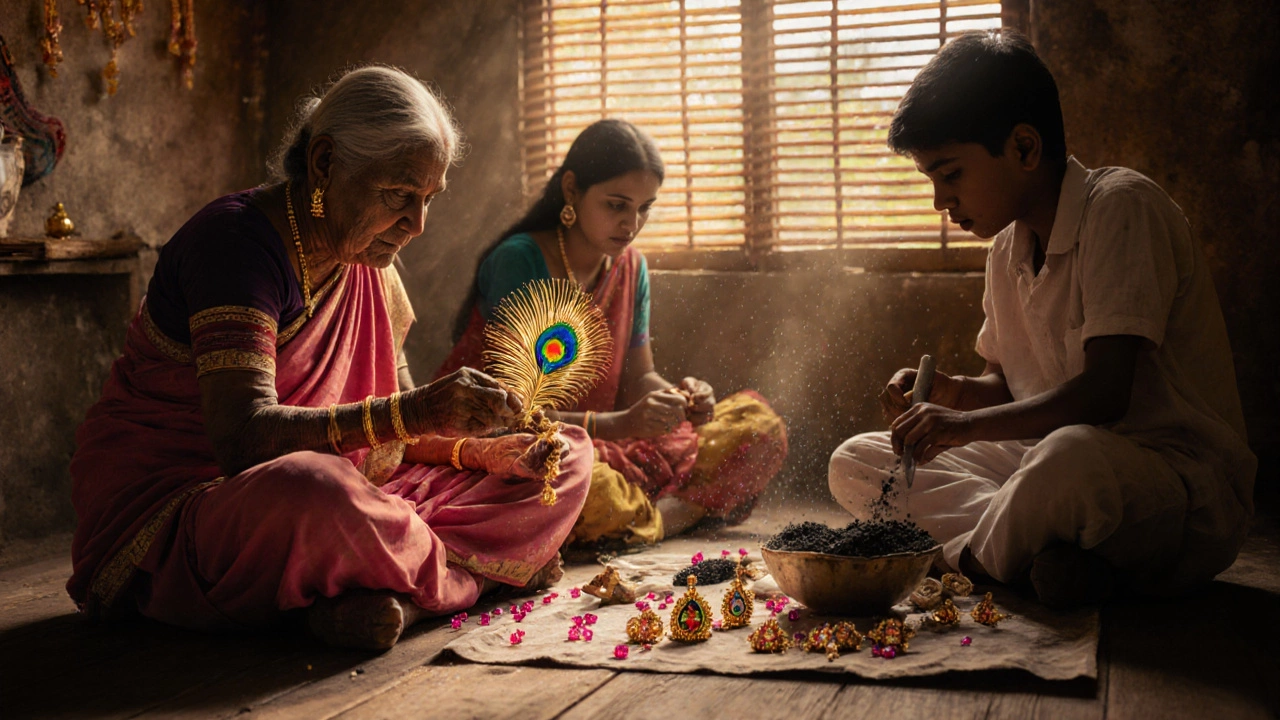
Temple jewelry in India comes from small workshops in Tamil Nadu and Andhra Pradesh, where artisans handcraft sacred designs passed down for centuries. It's not bought-it's inherited, made with skill, and rooted in temple traditions.
Temple Jewelry Materials Explained: What Is It Made Of?
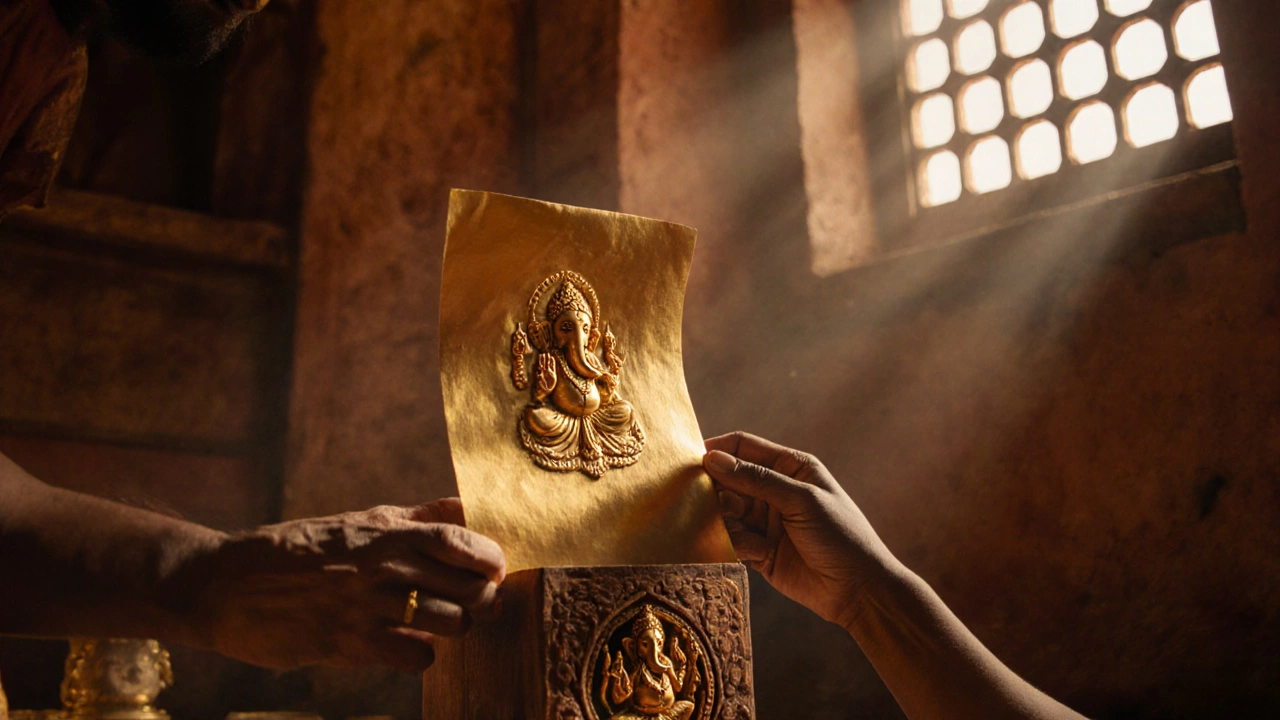
Explore the metals, gemstones and regional variations that make up Indian temple jewelry, learn how to assess authenticity, and get care tips for lasting shine.

Why Indians Wear So Much Jewelry: Cultural Roots and Regional Styles
Explore why Indians wear abundant jewelry, covering cultural roots, regional styles, key pieces, symbolism, and practical tips for curating traditional adornments.