RH Jewellers India - Page 2

What is the Rarest Face Shape? A Guide for Nose Pin Lovers
Discover why the diamond face shape is considered the rarest, affecting only ~2% of people. Learn how to identify it and choose the perfect nose pin designs.

Kohinoor Diamond Value: Why It’s Priceless
Discover why the Kohinoor diamond has no fixed price. Explore its historical value, political controversy, and why estimates vary wildly from millions to billions.

How to Check If a Nose Pin Suits You: Face Shape & Style Guide
Discover how to choose a nose pin that flatters your face shape, skin tone, and lifestyle. Learn practical tips for testing fit and style.
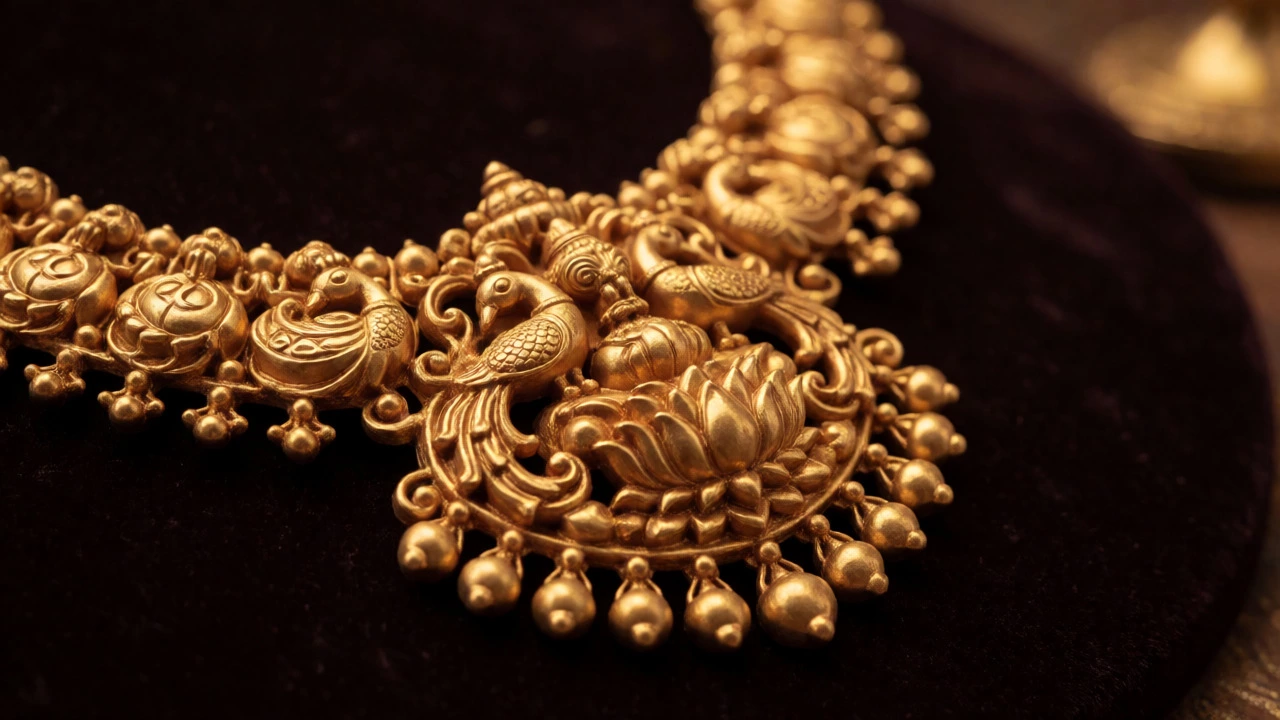
Nakshi vs Temple Jewellery: Key Differences Explained
Confused between Nakshi and Temple jewellery? Discover the key differences in technique, origin, and styling. Learn how to identify, care for, and choose the right traditional Indian ornament.
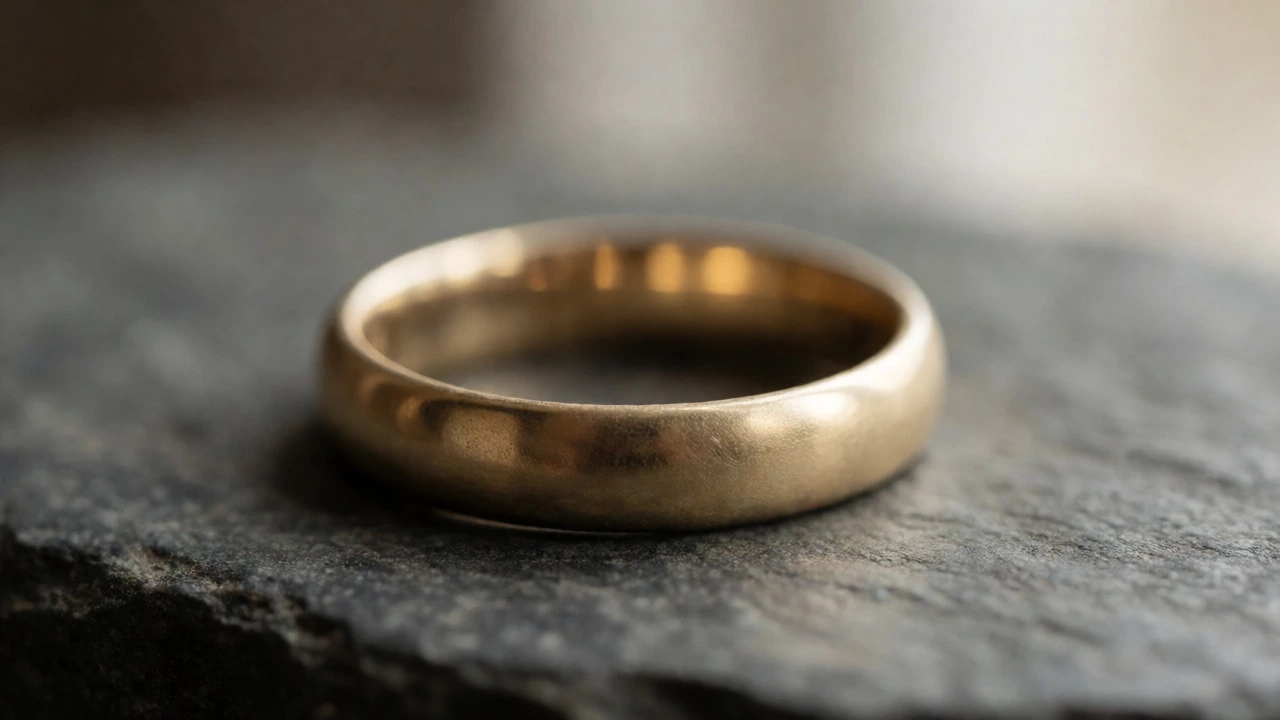
Does Vinegar Clean Gold Jewelry? A Practical Guide
Discover if vinegar safely cleans gold jewelry. Learn when to use it, when to avoid it, and step-by-step tips to restore shine without damaging stones.

Does Purse Count as Hand Carry? Airline Rules & Tips
Confused about airline rules? Learn if your purse counts as hand carry. Discover tips for fitting under the seat and avoiding gate-check hassles on Indian flights.
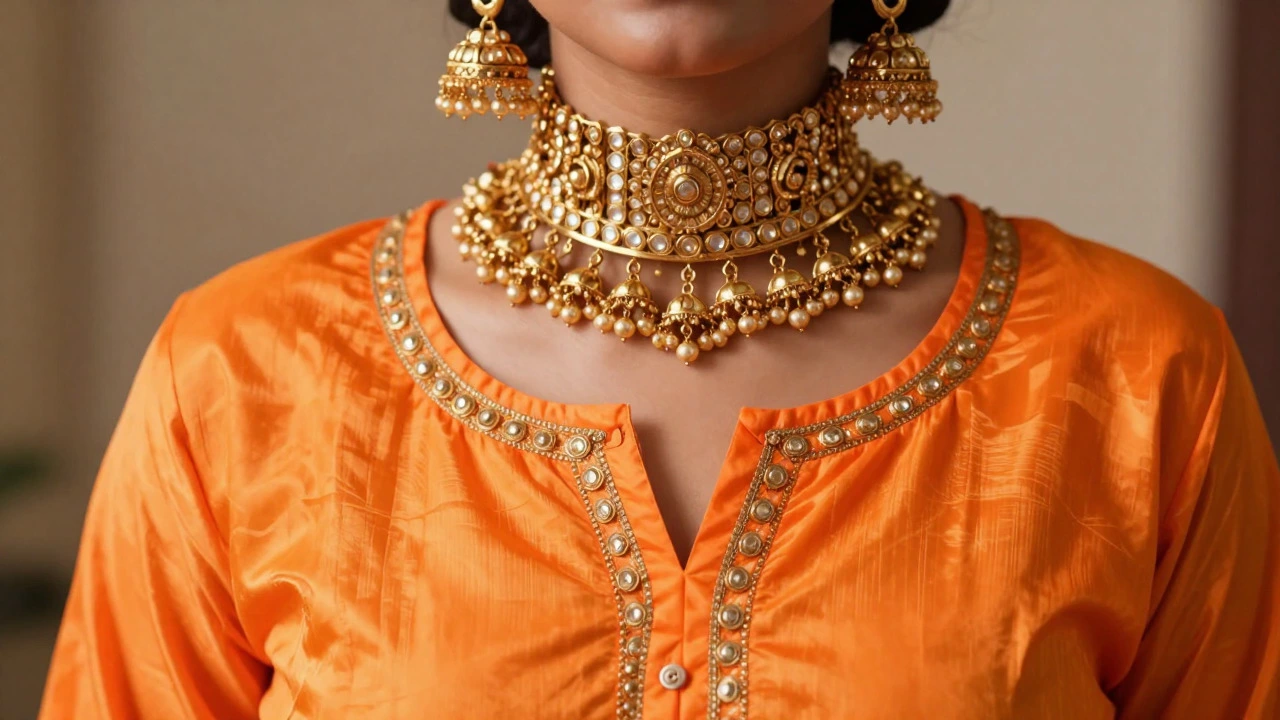
What Colors Not to Wear with Gold Jewelry: A Style Guide
Discover which colors clash with gold jewelry and how to style your outfits for maximum impact. Learn practical tips to avoid muddy looks and enhance your metallic accessories.
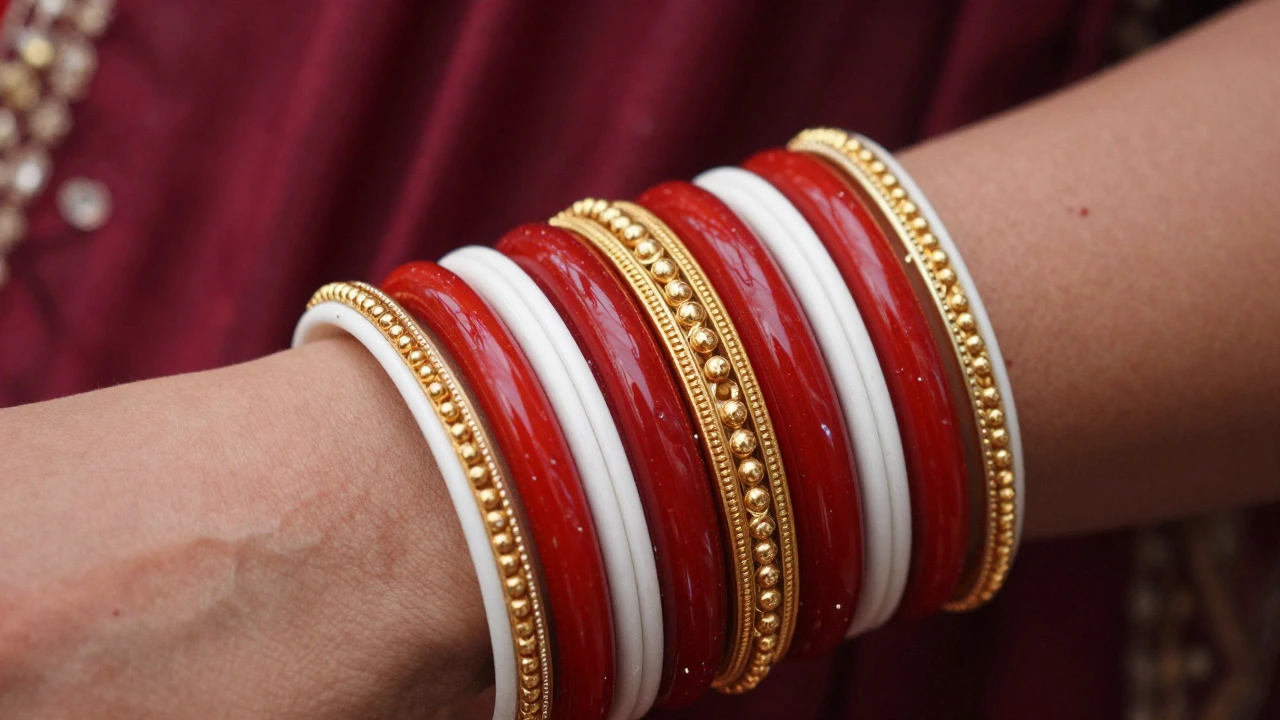
What Are Indian Bangles Called? Types, Names & Cultural Significance
Discover the correct names for Indian bangles, from Chooda and Firoza to Payal and Kada. Learn the cultural significance, material differences, and how to identify authentic traditional pieces.

When Not to Wear Gold Jewelry: A Practical Guide for 2026
Discover when you should avoid wearing gold jewelry to prevent skin irritation, chemical damage, and physical wear. Learn practical tips for protecting your investment.

What Nail Polish Colors Make You Look Rich? The Ultimate Guide to Luxury Manicures
Discover the nail polish colors that exude wealth and elegance. Learn how to pair nude, burgundy, and metallic shades with gold jewelry for a truly luxurious look.

Which Diamond is India Famous For? The Legacy of Polishing and Rare Stones
Discover which diamond India is famous for, from the historic Golconda mines to the modern polishing hubs in Surat. Learn about the legacy of Indian diamonds.

Which Indian Temple Has the Most Gold? The Truth Behind Sri Padmanabhaswamy and Other Golden Sanctuaries
Discover which Indian temple holds the most gold, exploring the secrets of Sri Padmanabhaswamy's vaults and comparing visible golden wonders across India.